Paws, Profit, Potential: Pet Industry Comes With Promises and Challenges

The pet industry has been one of the fastest-growing franchise categories to emerge from COVID. As households spent more time at home, pet adoption surged, and discretionary spending on pets held steady or even increased. Services that had once been “nice to have” (grooming, daycare, training) became essential.
This growth in consumer demand was reflected in franchising. Over the past five years, 52 new brands have started franchising pet-related services.
The industry currently has 107 active brands with approximately 4,600 domestic franchised units. Most of these brands are still getting off the ground, and 70% of them have fewer than 25 units.
Is it time for franchisees to look at this industry? Maybe. Overall, the industry is stable:
- 67% of current franchisees in these brands are single-unit operators; only 10% operate more than five locations.
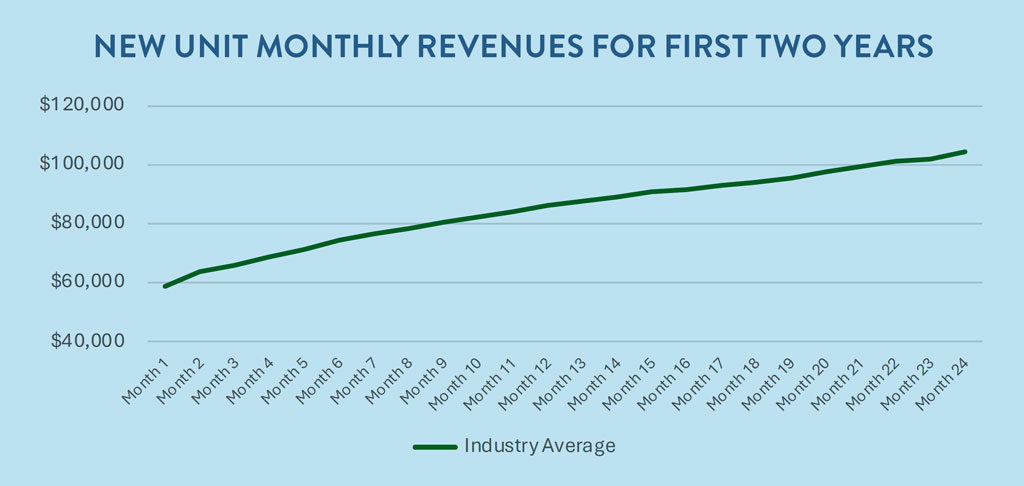
- On average, a new unit generates a total of $891,352 during its first year of operation and $1.1 million during its second year of operation.
- It takes about 18 months for franchisees to break even when opening a store.
- The historical unit success rate is more than 96%.
Currently, there are not many large multi-unit operations in the industry, but that is because some of these businesses have structural issues that don’t lend themselves to multi-unit ownership. While all these concepts are related to pets, their operations differ.
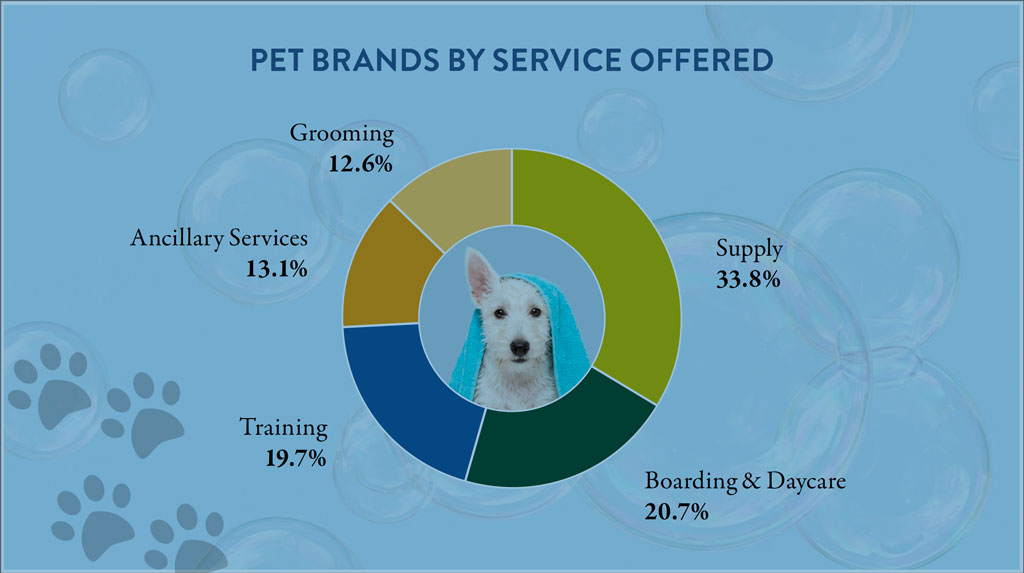
Operators, particularly those who offer pet services such as grooming, training, and daycare, build relationships in their communities. Consumers want to know and trust these businesses, making their operations more labor dependent than others. Staff need to be knowledgeable and fully engaged in working with pets. As a result, operating more than a few locations is challenging.
Pet supplies concepts are different. Like other retail operations, there is an opportunity for standardization of products and services. If the brand is defined by factors such as inventory, price, and convenience, these stores are less dependent on skilled labor. Not surprisingly, these supply brands are the largest in the industry.
Some platform companies are already involved in the pet industry. With concepts offering complementary services, it seems a natural fit. Similarly, multi-unit, multi-brand operators might find these concepts a good addition to round out their portfolios.
This sort of fragmented industry will likely see some consolidation in the coming years with brands starting to distinguish themselves against their peers. Investment in operational efficiencies could well make the difference. Private equity may provide that sort of change.
Investors evaluating entry points should watch for brands showing unit economics maturation past the five-year mark, improving franchisee satisfaction scores, and early evidence of multi-unit adoption within their own systems. Those signals, more than unit count alone, will distinguish the brands worth backing from those still working out the fundamentals.
Paul Wilbur is instrumental in building the research and consulting framework at FRANdata. He plays an integral role in the strategic development of FRANdata’s suite of franchise solutions. Nearly a 20-year veteran at the company, he is the franchise business model expert and plays a key role in fostering strategic advisory relationships with some of FRANdata’s biggest clients. Visit FRANdata.com or email [email protected].
Share this Feature


Recommended Reading:


Franchising.com is produced by Franchise Update Media. Franchise Update Media has its finger on the pulse of franchising with unrivalled audience intelligence and market driven data. No media company understands the franchise landscape deeper than Franchise Update Media.
1201 New York Avenue NW, Suite 300A
Washington, DC 20005
PH. (408) 402-5681
 The multi-unit franchise opportunities listed above are not related to or endorsed by Multi-Unit Franchisee or Franchise Update Media Group. We are not engaged in, supporting, or endorsing any specific franchise, business opportunity, company or individual. No statement in this site is to be construed as a recommendation. We encourage prospective franchise buyers to perform extensive due diligence when considering a franchise opportunity.
Copyright © 2001 - 2026. All Rights Reserved. Legal Notices | Privacy Policy


